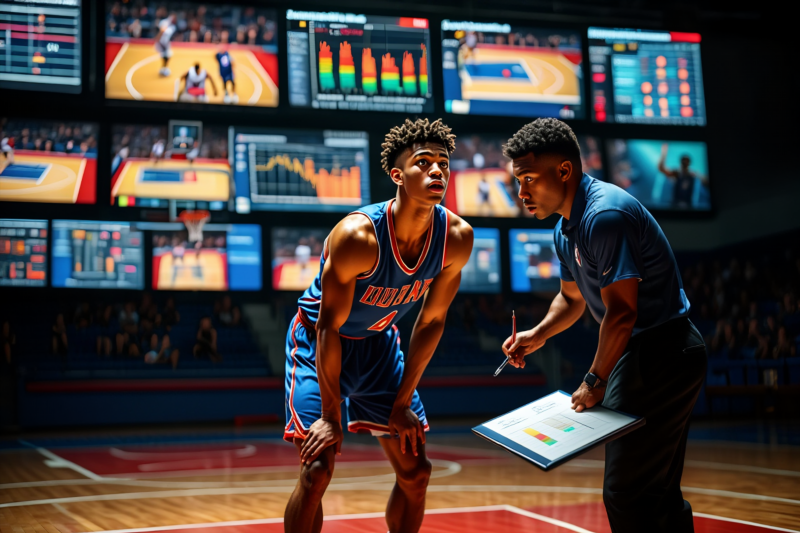
How NBA Scouts Evaluate College Players to Find Top Talent
In the fiercely competitive world of professional basketball, NBA teams are constantly seeking the brightest stars to elevate their rosters. College basketball serves as a pivotal testing ground, where scouts meticulously evaluate young athletes for their potential to succeed at the highest level. But how exactly do NBA scouts assess college players? This comprehensive guide explores the sophisticated process of talent evaluation through game analysis and performance metrics, revealing the strategic methods teams employ to identify top prospects.
The Importance of College Scouting in NBA Recruitment
College basketball provides a fertile ground for identifying emerging talent. With millions of viewers and dedicated scouts, the collegiate stage allows NBA teams to observe players’ skills, athleticism, and mental toughness in real-game situations. Effective scouting is essential, as it can mean the difference between drafting a future superstar or passing on a valuable asset.
Why Do NBA Teams Focus on College Players?
- Talent Development Potential: College players are often at a crucial development stage, demonstrating rapid growth and adaptability.
- Performance Under Pressure: College games expose athletes to high-stakes environments, revealing their ability to perform under pressure.
- Draft Investment: Selecting the right player can lead to long-term success and championship contention.
How NBA Scouts Evaluate College Players
NBA scouts conduct a comprehensive evaluation process combining technology-driven analytics and traditional observation. Here’s an in-depth look at their methodology.
1. Game Film Analysis
Scouts spend countless hours reviewing game footage to assess:
- Skill Execution: Shooting, ball-handling, passing, defense, and rebounding.
- Decision-Making: IQ, shot selection, and ability to read the game.
- Athleticism: Speed, agility, vertical leap, and overall physicality.
- Consistency: Performance across multiple games and situations.
- Intangibles: Leadership, work ethic, and resilience.
2. Performance Metrics and Analytics
Quantitative data offers objective insights into a player’s capabilities:
| Performance Metric | Purpose | Examples |
| Shooting Percentage | Shooting efficiency | FG%, 3P%, FT% |
| Usage Rate | Involvement in offensive plays | Percentage of team plays used by player |
| Player Efficiency Rating (PER) | Overall productivity | Composite score based on multiple stats |
| Box Plus/Minus (BPM) | Impact on game outcomes | Estimated point differential when player is on court |
| Defensive Stats | Defensive prowess | Steals, blocks, defensive win shares |
By analyzing these metrics, scouts can compare players objectively and predict future performance, considering how their skills may translate to NBA play.
3. Physical and Medical Evaluations
- Athletic Testing: Vertical leap, sprint speed, and lateral quickness.
- Medical Screenings: Injury history, durability, and recovery capabilities.
4. Psychological and Mental Assessments
- Basketball IQ: Understanding of strategies and plays.
- Work Ethic: Attitude in practice and willingness to improve.
- Competitive Drive: Responses to adversity and pressure.
Combining Observation and Data for Optimal Evaluation
NBA scouts use a hybrid approach, leveraging both qualitative observations and quantitative data:
- Video scouting reveals decision-making and contextual understanding.
- Analytics quantify performance and identify hidden potential.
- In-person drills and interviews assess athleticism and character, offering insights beyond statistics.
This multidimensional assessment ensures a comprehensive understanding of each prospect.
From Scouting to Selection: Making the Right Choice
Once players are thoroughly evaluated, teams synthesize their findings into scouting reports to:
- Rank prospects based on fit and potential.
- Identify areas for development.
- Predict future NBA success and adaptability.
Effective scouting ultimately informs draft strategies, free-agent signings, and trade decisions, shaping a team’s future trajectory.
Frequently Asked Questions about NBA College Player Scouting
How long before the NBA Draft do teams start scouting college players?
Teams typically begin scouting as early as the freshman and sophomore years, intensifying efforts during the NCAA tournaments and leading up to the draft in June.
What role do combines and workouts play in scouting?
These events provide opportunities for teams to observe athleticism, skills, and character firsthand, supplementing game film assessments.
How do injuries affect a college player’s draft stock?
Injury history can raise concerns about durability. However, if a player shows recovery and resilience, they may still remain a top prospect.
Final Thoughts
NBA teams employ a meticulous and multidimensional approach to evaluate college players, combining in-depth game analysis, advanced performance metrics, and personal assessments. This strategic process ensures that the best athletic talent is identified and nurtured, allowing teams to build competitive rosters for sustained success. For fans and analysts following NBA drafts and team strategies, understanding these scouting methods provides valuable insights into how future stars are discovered and developed.
Unlock the full potential of college basketball talent with DGM Basketball Hub, your go-to portal for in-depth NBA and international league coverage, player analytics, match previews, and more. Stay ahead of the game—subscribe today!