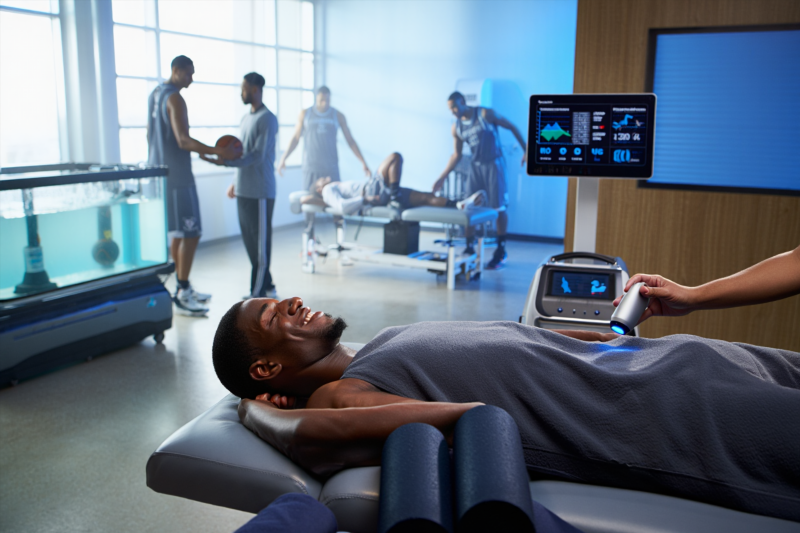
Unlocking Peak Performance: The Power of Sports Science in Basketball Recovery
In the fast-paced world of professional and amateur basketball, maximizing performance while minimizing fatigue is essential. Athletes and coaches recognize that recovery is not just about rest—it’s a science. Innovative sports science techniques are revolutionizing how players recover, enabling them to perform at their highest level, reduce injury risk, and extend their careers.
This article delves into effective basketball recovery strategies leveraging sports science to optimize your game today. Whether you’re striving for improved stamina, quicker injury recovery, or cherry-picking the latest techniques used in NBA and international leagues, understanding these methods can propel your performance to new heights.
Why Is Sports Science Integral to Basketball Recovery?
Basketball demands explosive movements, rapid directional changes, and intense endurance. Over time, these exertions lead to muscular fatigue, micro-injuries, and decreased mental sharpness. Sports science approaches address these challenges through:
- Precise data collection and analysis
- Personalized recovery protocols
- Evidence-based interventions
By integrating these strategies, athletes can recover faster, sustain higher performance levels, and prolong their careers.
Key Basketball Recovery Strategies Leveraging Sports Science
Below are scientifically-backed methods currently transforming basketball recovery routines:
1. Active Recovery and Neuromuscular Facilitation
Active recovery involves low-intensity exercises such as light jogging, cycling, or swimming post-game. This promotes blood flow, facilitating the removal of metabolic waste products like lactic acid.
Neuromuscular stimulation techniques such as foam rolling and dynamic stretching improve muscle flexibility, decrease soreness, and prepare the nervous system for subsequent bouts of high-intensity activity.
2. Cryotherapy and Cold Water Immersion
Cold therapies have gained popularity for reducing inflammation and muscle soreness. Techniques include:
- Whole-body cryotherapy chambers
- Cold water immersion baths
By constricting blood vessels, these methods limit inflammatory responses, enabling faster recovery.
3. Compression Therapy and Intermittent Pressure Devices
Compression garments and pneumatic compression devices enhance venous return and lymphatic drainage. This reduces swelling and accelerates muscle repair.
4. Nutrition Informed by Sports Science
Strategic nutrition is crucial. Key aspects include:
- Protein intake for muscle repair
- Carbohydrates replenishing glycogen stores
- Hydration protocols optimized per individual sweat rates
Emerging research emphasizes timing and composition of meals and supplements for faster recovery.
5. Sleep Optimization
Quality sleep significantly impacts recovery. Techniques include:
- Establishing consistent sleep routines
- Using sleep trackers to monitor quality
- Implementing relaxation techniques and sleep environments conducive to rest
Sports science underscores sleep’s role in muscle growth, cognitive function, and injury prevention.
6. Technical Modalities: Ultrasound and Laser Therapy
Advances in ultrasound and low-level laser therapy target deep tissues, reducing inflammation and pain. They are employed in top-tier sports facilities for accelerated soft tissue healing.
Monitoring and Personalization: The Future of Basketball Recovery
Modern sports science emphasizes player monitoring through wearable devices and performance analytics platforms. These tools provide insights into:
- Heart rate variability
- Muscle fatigue levels
- Hydration and nutritional status
This data-driven approach allows personalized recovery protocols, addressing individual needs efficiently.
FAQs About Basketball Recovery with Sports Science
How long should recovery take after a game?
Recovery duration varies based on intensity and individual fitness levels. Incorporating active recovery, nutrition, and sleep can shorten this period from 24-48 hours to 12-24 hours.
Are these techniques suitable for amateur players?
Absolutely. While professional athletes may have access to advanced tools, many methods such as cold water immersion, foam rolling, and sleep optimization are accessible and beneficial for amateur players.
Can recovery methods prevent injuries?
Yes. Efficient recovery reduces microtrauma accumulation, decreases the likelihood of overuse injuries, and maintains overall musculoskeletal health.
Final Thoughts: Elevate Your Game with Science-Backed Recovery
Integrating sports science into your basketball recovery routine isn’t just a trend; it’s a necessity for sustained high performance. From precise data analysis and personalized plans to cutting-edge therapies, these methods collectively enhance your ability to recover faster, stay fresh, and dominate on the court.
Start implementing these strategies today and experience the difference that scientifically optimized recovery can make. Your best game is yet to come!